
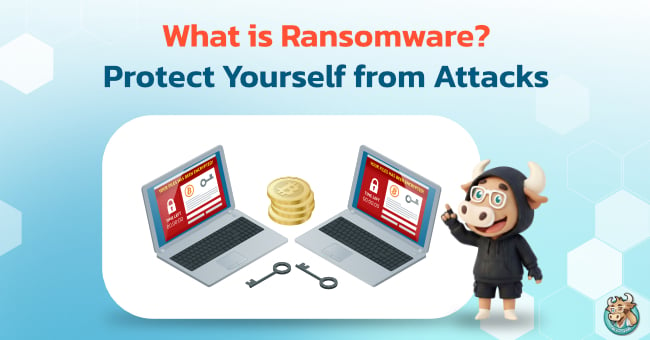
In today's digital world, where data has become one of the most valuable assets for both individuals and organizations, Ransomware is one of the most destructive cyber threats. A single click on a malicious link or opening an attachment from a phishing email can encrypt all your files, making them inaccessible. Today, Ransomware virus attacks are no longer limited to large enterprises they also target small businesses, government agencies, and individual users. Understanding how ransomware works, along with the best ways to prevent and respond to attacks, is essential for anyone who wants to protect their data and stay safe
What is Ransomware?
Ransomware is a type of malicious software (Malware) created by cybercriminals to block access to or encrypt important files stored on a victim's computer, server, or mobile device. Once the files are encrypted, users can no longer open them or use the affected device normally.
After the encryption process is complete, the attacker displays a ransom note on the victim's screen demanding payment. In most cases, victims are instructed to pay in cryptocurrency, such as Bitcoin, to make the transaction difficult to trace. The payment is requested within a specified deadline in exchange for a decryption key, which supposedly restores access to the encrypted data.
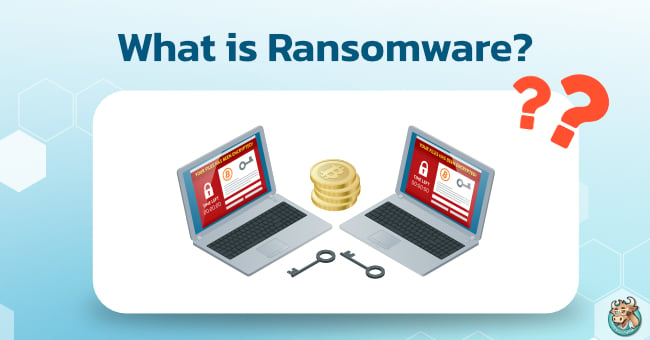
In other words, Ransomware is malicious software that takes a user's data hostage. Unlike traditional computer viruses, which typically disrupt system performance or damage files, a Ransomware virus is specifically designed to extort money from its victims by denying access to their critical data until a ransom is paid.
How Does a Ransomware Virus Work?
A ransomware virus attack typically unfolds through a series of carefully planned stages. It begins by infiltrating a system through security vulnerabilities, followed by the encryption of files using sophisticated algorithms that standard recovery software cannot easily reverse. The attack ends with a ransom note displayed on the victim’s screen, outlining the payment conditions and a limited deadline for compliance.
Common Ways Malware Infiltrates a System
- Sending phishing emails containing malicious attachments or links
- Tricking users into clicking suspicious links on untrusted websites
- Downloading pirated software or applications embedded with hidden malware or spyware
- Exploiting network security vulnerabilities, particularly the Public Wi-Fi risks associated with using unsecured networks that do not encrypt transmitted data.
Common Types of Ransomware Today
Crypto Ransomware
Crypto ransomware is one of the most common types of ransomware. It encrypts files stored on computers and servers, making the data inaccessible even though the operating system may continue to function normally.
Locker Ransomware
Locker ransomware locks the operating system or the entire screen, preventing users from accessing or using the device until a ransom is paid.
RaaS (Ransomware as a Service)
RaaS, or Ransomware as a Service, is a rapidly growing business model used by cybercriminals.
Ransomware developers allow other attackers to rent or subscribe to their malicious tools in exchange for a share of the ransom payments. This model enables people with limited technical knowledge to launch ransomware attacks, contributing to the continued rise of ransomware incidents worldwide.
The Impact of a Ransomware Attack
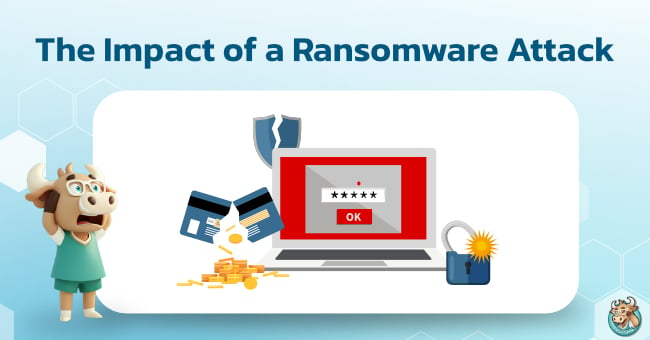
The damage caused by a ransomware attack goes far beyond the ransom payment itself. It can have serious consequences for both businesses and individuals.
- Loss of critical company data
- Business disruption and inability to serve customers
- Leakage of customer or internal company information
- Damage to the organization’s reputation and credibility
- High system recovery and incident response costs
- Potential ransom payments worth hundreds of thousands or even millions of baht
Paying the ransom also carries a high level of risk. There is no legal guarantee or binding agreement that the attackers will provide a working decryption key after receiving the payment. Even after paying, victims may still be unable to recover their data or may face further extortion.
How to Prevent Ransomware and Stay Safe from Hackers
To protect against ransomware, individuals and organizations should follow these practical security measures:
Back Up Data Regularly
Follow the 3-2-1 backup rule by keeping three copies of important data, storing them on two different types of media, and maintaining at least one copy offline. This ensures that data can be restored without relying on cybercriminals or paying a ransom.
Keep Operating Systems and Software Up to Date
Regularly installing security patches helps close vulnerabilities that ransomware and other malware may exploit to gain access to devices and networks.
Install Antivirus Software and Endpoint Protection
Use reliable security software that can detect and block suspicious behavior before ransomware begins encrypting files. Endpoint protection is especially important for organizations with multiple connected devices.
Be Cautious of Phishing Emails and Suspicious Links
Always verify the sender before opening attachments or clicking links. Avoid interacting with phishing messages from unknown sources, especially those designed to create panic or pressure users into taking immediate action.
Provide Security Awareness Training
Organizations should regularly train employees on cybersecurity best practices. Improving security awareness helps reduce human error, which is often one of the main entry points for ransomware attacks.
What Should You Do If You Become a Victim of Ransomware?
If you discover that your device has been infected with ransomware, the first step is to immediately disconnect it from the internet and the local area network (LAN). This helps prevent the malware from spreading to other devices connected to the same network.
Next, contact your IT team or a cybersecurity professional as soon as possible to assess the situation and begin the recovery process. Cybersecurity experts generally advise victims not to pay the ransom, as doing so supports cybercriminal operations and does not guarantee that the attackers will restore access to the encrypted data.
Why Should You Not Pay the Ransom?
Most cybersecurity experts advise against paying a ransom for several reasons:
- There is no guarantee that you will receive a working decryption key.
- Stolen data may still be sold, leaked, or published.
- Paying supports and funds cybercriminal operations.
- Victims may be targeted again in the future.
Ransomware is one of the most damaging cyber threats facing both individuals and organizations. Learning how to deal with different online risks, including spyware, phishing, and Public Wi-Fi risks, is essential for reducing the chance of an attack.Using a VPN can also strengthen online security by encrypting your internet connection and improving your privacy, especially when connected to a public network. However, a VPN alone cannot prevent ransomware infections caused by malicious files, compromised software, or phishing attacks. Ultimately, the most effective approach to ransomware prevention is to stay prepared by regularly backing up important data, keeping operating systems and software up to date, and continuously improving cybersecurity awareness. These measures can significantly reduce both the likelihood and impact of a ransomware attack.

Server Private VPN & Proxy from BullVPN
✅ Private VPN service in 13 countries around the world
✅ Suitable for people who want privacy in use Because only you can use Server Private VPN
✅ Increase the security of the organization by using Whitelist IP
✅ Increase the stability of internet usage for playing games, live streaming, watching video streaming, etc
✅ Service fee starts at 700 baht