

In an era where internet connectivity is as essential as breathing, we rely on networks for every activity from working and gaming to financial transactions. Yet, hidden within this convenience are ever-present cybersecurity threats, especially when connecting through unsecured networks. One technique often used by malicious actors is Sniffing, which acts as a digital 'eavesdropping' on data transmitted online. If you have ever used public Wi-Fi at a coffee shop or airport without protection, you might be a target of this silent threat without even realizing it.
What is Sniffing?
To put it simply, Sniffing is the act of capturing and monitoring data packets as they travel through a network much like someone eavesdropping on your mail while it's being delivered.
Definition of Sniffing and How Packet Sniffers Work
To perform sniffing, a tool called a "Packet Sniffer" is required, which is available in both software and hardware formats. Typically, this tool is beneficial for network administrators to analyze network issues and monitor traffic. Conversely, hackers also utilize these tools to intercept and capture valuable private information.

Type of threat Sniffing
Many people wonder what type of threat sniffing is. The answer is that it can take two different forms, depending on the method the attacker chooses to use.
Passive Attack
It involves simply intercepting data without making any modifications. It is like eavesdropping from a distance, making it extremely difficult to detect.
Active Attack
It is when an attacker interferes with the network by injecting fake data to lure information to flow through their own device, which is considered a more severe form of attack.
Types of Sniffing
To make it clearer, I have categorized the types of Sniffing based on how they operate within a network system as follows
Quiet eavesdropping on Hubs or Switches (Passive Sniffing)
This pattern occurs in older network systems that use Hubs or in unencrypted Wi-Fi networks. All data traffic is broadcast to every device on the network. An attacker simply enables "Promiscuous Mode" on their network interface card to instantly view all passing data, while the victim remains completely unaware of any abnormality.
Using techniques like ARP Spoofing to deceive data (Active Sniffing)
In modern networks that use Switches, data is sent directly to the target device only, making passive sniffing difficult. Hackers, therefore, must employ Active Sniffing techniques, such as ARP Spoofing or DNS Spoofing, to trick the network into believing the hacker's device is the router. Consequently, all data is forced to pass through the hacker's machine before reaching the actual internet.
Dangers of Sniffing What Data is at Risk of Being Stolen?
Once Sniffing occurs, all data you send and receive at that moment is immediately at risk, especially if the website or application does not utilize strong data encryption.
- Usernames and Passwords: Especially when logging into websites that do not use HTTPS.
- Credit Card Information: Card numbers, expiration dates, and CVV codes used for online shopping.
- Private Emails: Chat messages or email content that may contain business secrets.
- Browsing Activity: Used to analyze behavior or facilitate further phishing attacks.
Additionally, the captured data can be used to create highly realistic phishing emails, tricking you into providing even more sensitive information on fake websites. This represents another form of cyber threat that can cause immense damage.

How to Protect Yourself from Sniffing Attacks
While Sniffing may seem intimidating, you can protect yourself with these practical and effective methods:
Using a VPN (Virtual Private Network)
Using a VPN is the best prevention method because it creates an "Encryption Tunnel" for your data. Even if a hacker manages to intercept the information, all they will see is unreadable code, rendering the sniffing attempt completely ineffective.
Observing HTTPS (SSL/TLS) Protocols
Before entering sensitive information, always check if the website URL starts with HTTPS or displays a padlock icon. This indicates that the data transmitted between you and the server is encrypted to a certain degree.
Avoiding Public Wi-Fi for Transactions
The danger of using public Wi-Fi is that we have no way of knowing who owns the network or if someone is secretly intercepting data. Given these Public Wi-Fi risks, if usage is absolutely necessary, you should always enable a VPN simultaneously for security.
Understanding what sniffing is and how it works will help you become more aware of internet security. In a world where hackers are constantly developing new techniques, knowing how to protect yourself is no longer a distant concern whether it involves avoiding untrustworthy networks or staying vigilant for abnormalities while online.
Level up your security with a helper like BullVPN, which allows you to use the internet with peace of mind. Whether you are gaming, working, or performing online transactions, BullVPN encrypts your data and masks your identity, keeping you safe from sniffing and other cyber threats.
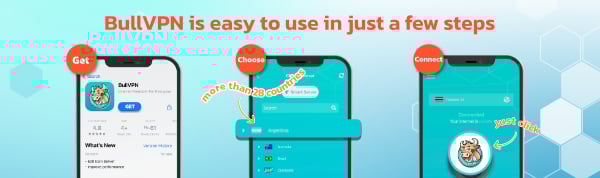
Get started with BullVPN in 3 steps
✅Download and Setup
BullVPN is available for Android, iOS, Windows, macOS, Chrome Extension and Android TV
✅Open the application, log in and select the server
More than 300 Servers are available in 49 countries around the world
✅Connect successfully can be used immediately
After successfully connecting BullVPN, you can access your data freely, without limits